
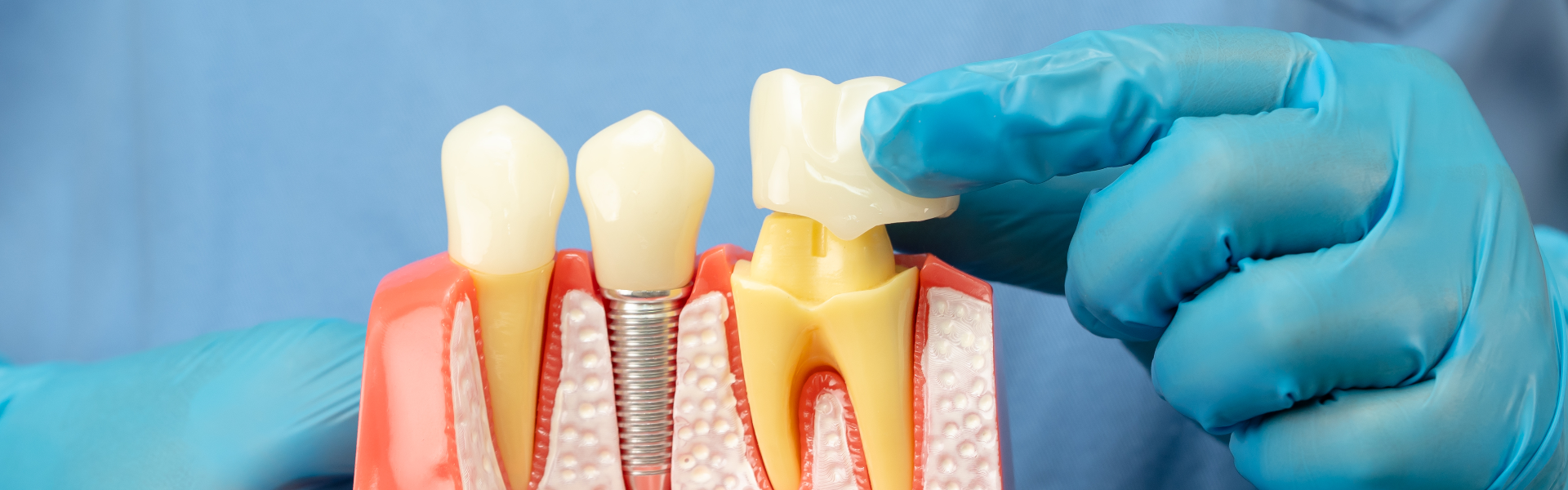
Dental crowns are a versatile type of restoration that can address a wide range of dental health issues. Bella Pinkatz, DDS, of Kew Gardens Dental P.C., provides dental crowns in Kew Gardens, New York, creating beautiful and durable restorations for patients in the surrounding Queens community. Call today to schedule a visit, or book online in just a few clicks.
How Dental Crowns Work
Dental crowns protect your natural tooth tissue by replacing all visible tooth surfaces with an artificial crown, sometimes called a “cap.” Once in place, modern dental crowns are visually indistinguishable from your natural teeth.
Crowns come in various materials. Porcelain-over-metal crowns are strong and also very attractive. All-porcelain crowns are beautiful and incredibly lifelike. In some cases, all-metal crowns are used to provide a strong barrier over your natural tooth tissue, especially for kids and their back molars.
Dental Issues Corrected by Crowns
Dental crowns offer an affordable and reliable way to address several common dental health issues. Some of the uses for dental crowns include the following:
- Protecting a worn-down tooth
- Covering a tooth treated through a root canal
- Correcting discoloration that teeth whitening cannot improve
- Strengthening a tooth that has had multiple fillings
- Improving the appearance of a misshapen or abnormally small tooth
- Closing a gap between teeth
Crowns can also secure a dental bridge in place and serve as the visible portion of dental implants.
The Dental Crown Procedure
During the planning stage, digital imaging helps your dentist determine if a dental crown is the best possible treatment option. On the day of your visit, an injection of numbing medication ensures you don’t feel anything during your treatment.
Your dentist begins by removing a portion of your natural tooth tissue to make room for the new crown. A set of digital impressions gives the dental lab all the information needed to craft your custom crown. A temporary crown protects your tooth until the new crown arrives.
You then return to the office to have your dentist check the crown for fit and appearance. Cementing the crown onto your prepared tooth is the final step. Expect some minor soreness for a day or two, after which your new crown will feel and function like your natural teeth. Your dentist checks your crown during your routine dental exams.
Frequently Asked Questions (FAQs)
1. What is a dental crown, and how does it protect a tooth?
2. When does a tooth need a dental crown instead of a filling?
3. What materials are commonly used to make dental crowns?
4. How long does the dental crown procedure take?
5. How should I care for my dental crown at home?
Get in Touch Now!
Choose trusted general and cosmetic dentistry from experienced dental professionals and contact us for personalized care that supports your oral health and smile.